
Defying Gravity
With Wicked: For Good hitting the big screen, Peter Dray looks at how Elphaba’s journey speaks to anyone who’s ever felt misunderstood.
Wicked tells the story of Elphaba, the green-skinned outcast who becomes the infamous ‘Wicked Witch of the West’ from The Wizard of Oz. The 2024 film adaptation shattered box office records, becoming the highest-grossing Broadway musical adaptation ever. With Wicked: For Good – the second movie instalment – hitting cinemas in November 2025, audiences clearly can’t get enough of Elphaba’s journey. What is it about her story that resonates so deeply?
At its core, Wicked is about being different and the pain that comes with it. Elphaba didn’t choose to be born green, yet this leads her to be misunderstood and treated as an outsider. From childhood, she’s branded as troublesome, judged by those around her and made to feel ashamed – especially by her family.
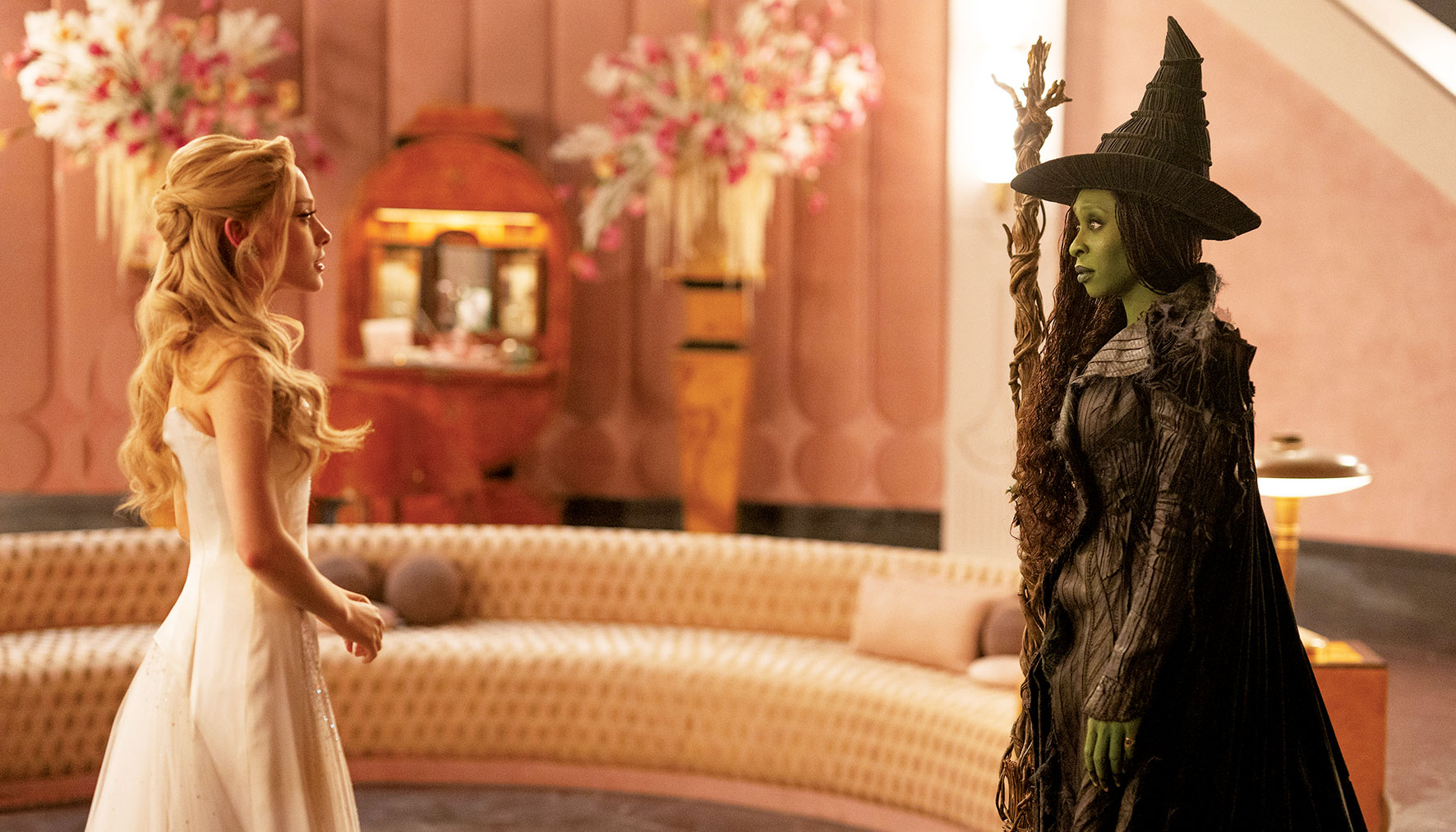
Sound familiar? Most of us have felt like the odd one out at some point, whether it’s due to our appearance, beliefs, or simply how we see the world. Elphaba’s story gives voice to anyone who’s ever felt they don’t belong.
Wicked doesn’t shy away from the complicated emotions of being different. In her song ‘The Wizard and I’, Elphaba expresses a tension many of us feel: she dreams of being accepted as she is while longing to be ‘de-greenified.’ It’s a contradiction that resonates painfully: we want to be loved for our uniqueness yet, very often, we also long to blend into the crowd.
Elphaba never fully resolves this tension – instead, she makes the brave choice to stand up for what’s right, even when it costs her the approval she craves. This is part of what makes her such an inspiring character. Elphaba’s only ‘crimes’ are defending the oppressed and refusing to stay silent about inequality. Though she continues to be labelled as wicked, it’s clearly unjust. The opinions of others fail to define her true value – offering comfort to anyone who’s ever been judged for doing what they know is right.
Wicked might be one of this year’s biggest box office hits, but the underlying story actually goes back thousands of years. For example, the writers of the Bible understand that the world often gets its judgements very wrong. Jesus himself was betrayed by friends, condemned by a corrupt system and executed despite his innocence. For Jesus’ followers, this provides comfort: God understands what it’s like to be tragically misjudged.
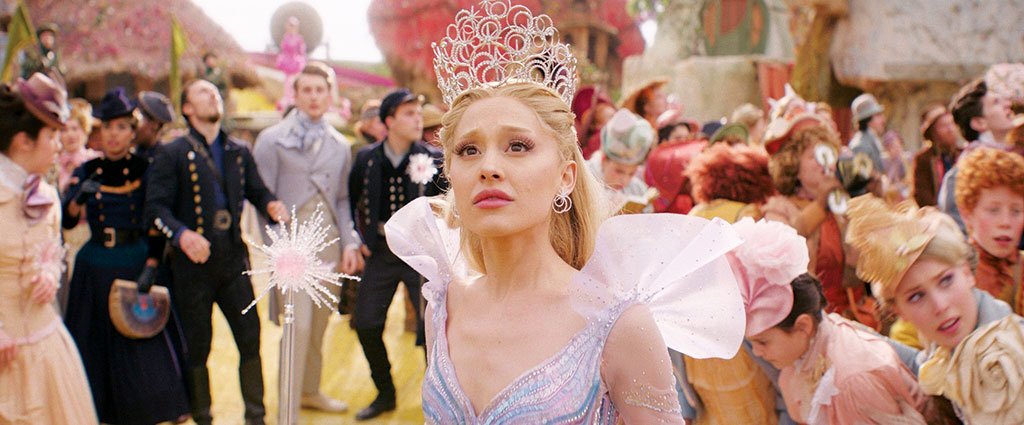
But Christianity’s truth goes deeper. While Elphaba is a classic misunderstood hero – never doing anything genuinely wicked – none of us is as clean-cut. At times, we may be judged unfairly; on other occasions, the verdict of our consciences or our companions is entirely correct. At those times, we need something more than just being accurately understood.
In the New Testament, there’s a story about Jesus meeting a man named Zacchaeus, which illustrates this beautifully. As a tax collector, Zaccheus wasn’t a tragic outcast – he was part of the problem, growing wealthy by exploiting others. Yet when Jesus invites himself to Zacchaeus’ house, it’s not to shame him. Zacchaeus is transformed as he is truly seen, welcomed and forgiven by Jesus, who knows all his wrongs.
This goes to the heart of the Christian story. We are more than our pain – and we are also more than our failure. In other words, Jesus meets us in our complexity: as those who are misunderstood and mistaken; wounded and have wounded others.
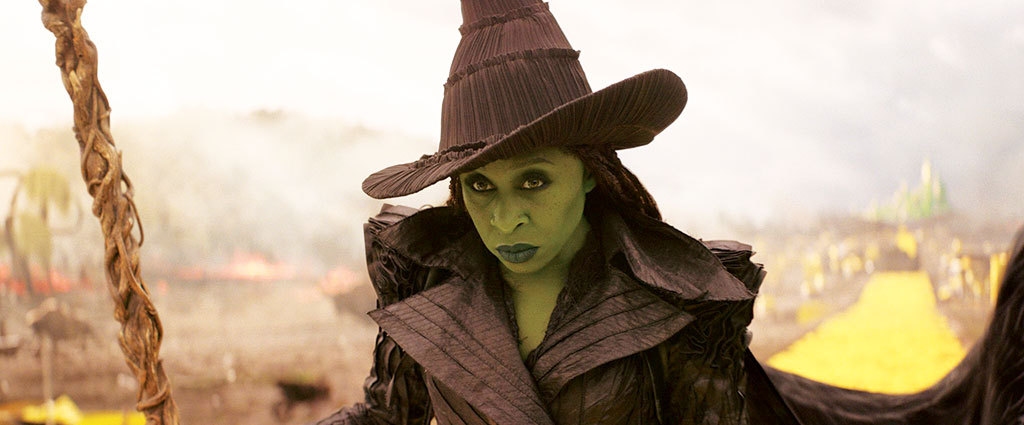
When Elphaba finally soars above Oz in ‘Defying Gravity’, she’s not just defying the laws of physics – she’s defying every label that’s ever been placed on her.
Jesus offers us the same invitation to soar. Whether we’ve been wrongly condemned like Elphaba or rightly convicted like Zacchaeus, he sees past the labels to who we really are and who we can become. In him, the misunderstood find vindication and the guilty find grace.